
Bridals

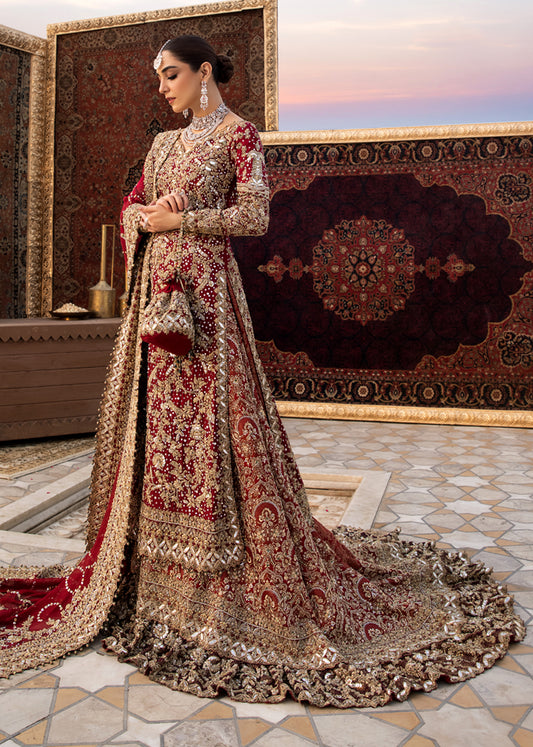


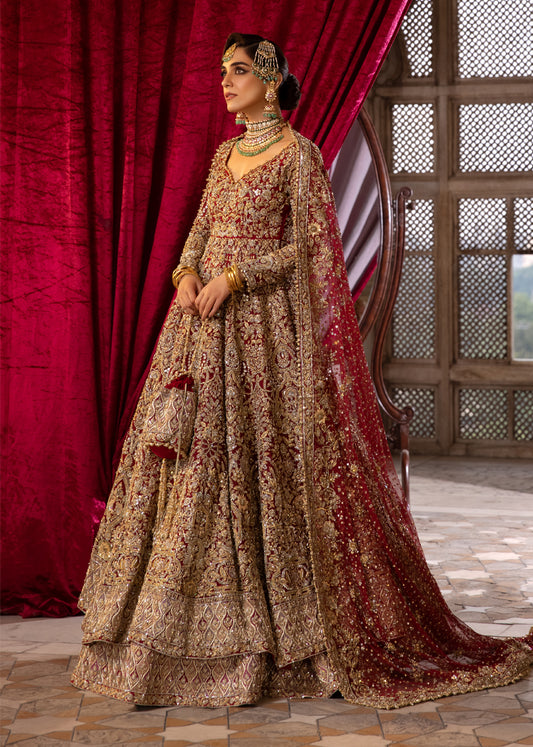


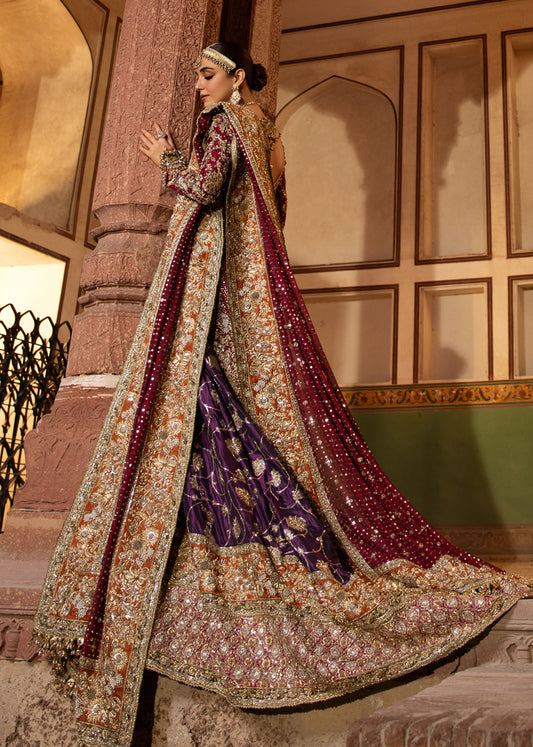


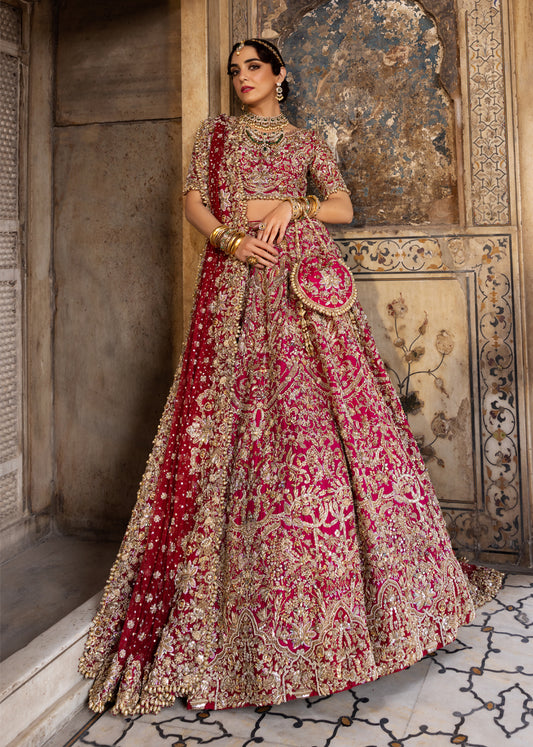


Pakistani bridal dresses are among the most considered garments a woman will commission in her lifetime. The fabric, the embroidery technique, the silhouette, and the weight of the work all carry significance well beyond aesthetics.
Sara Rohale Asghar bridal pieces are made to order, constructed in keemkhab, raw silk, and pure organza, and finished with hand-worked embroidery that requires weeks of skilled craftsmanship. Each piece in this collection is built for one bride, for one occasion, to a standard that holds up under the scrutiny of family, photography, and memory.
Craftsmanship Behind Sara Rohale Asghar Bridal Dresses
The defining quality of Pakistani bridal couture is hand embroidery. At Sara Rohale Asghar, zardozi and karchobi are the primary embroidery techniques used across bridal pieces. Zardozi work uses metallic thread and wire to build raised, three-dimensional motifs, while karchobi applies thick thread and bullion knots to create dense, structured embroidery panels. Both techniques are worked by hand on fabric stretched across a frame, and neither can be replicated by machine to the same standard.
The fabric selection for each bridal dress is chosen for how it carries this embroidery. Keemkhab, a Subcontinental brocade woven with gold or silver thread, is used for lehenga skirts and full shirts. Pure organza, which holds structure without weight, is used for dupattas and layered silhouettes. For brides who prefer a softer hand, the latest additions to the bridal range offer raw silk alternatives with the same standard of hand embroidery.
Silhouettes Available in Pakistani Bridal Wear
Sara Rohale Asghar bridal dresses are made in several silhouettes that reflect both Subcontinental tradition and the requirements of modern bridal photography and movement. Lehenga choli sets, full-length shirts with straight-cut trousers, and panelled gowns are among the styles available, each with the dupatta cut and embroidered to match the main garment.
The colour range across designer bridal dresses at Sara Rohale Asghar is not limited to red. Deep maroon, blush, ivory, gold, and antique pink have all appeared across recent bridal work. Brides who want to understand the full range before inquiring can browse Bridals 26, the most current bridal collection, to see active silhouettes and colour choices.
The Made-to-Order Process for Luxury Pakistani Bridal Dresses
Luxury bridal wear Pakistan operates differently from ready-to-wear fashion. Sara Rohale Asghar bridal pieces are not stocked in sizes or pulled from shelves. Each dress is made following an inquiry, with fabric and embroidery selected according to the bride's brief, event calendar, and measurements. Brides planning a Pakistani wedding are encouraged to begin the inquiry process several months before the wedding date to allow sufficient time for hand embroidery and final fittings.
For wedding guests and family members who want to dress at a comparable standard without bridal pieces, the Amalia festive wear collection offers hand-embroidered occasion dresses in silk and organza designed for the women who surround the bride.
FAQs
What are Pakistani bridal dresses known for?
Pakistani bridal dresses are known for hand embroidery, rich fabrics such as keemkhab and raw silk, and elaborate craftsmanship worked across the shirt, skirt, and dupatta.
What is the difference between Pakistani bridal wear and bridal couture?
Pakistani bridal wear is a broad category covering embroidered wedding outfits. Bridal couture refers specifically to made-to-order pieces constructed to a designer's standard, often with hand-worked techniques not found in ready-to-wear bridal ranges.
What styles are popular in Pakistani bridal dresses?
Lehenga choli sets, full-length embroidered shirts with trousers, and layered gown silhouettes are among the most popular styles. The choice often depends on the specific wedding function and the bride's personal preference.
What colors are commonly used in Pakistani bridal wear?
Red and maroon remain the most traditional bridal colours, but blush, ivory, antique gold, and deep green are increasingly common in designer bridal dresses across Pakistan.
How can I inquire about a Pakistani bridal dress from Sara Rohale Asghar?
You can reach the Sara Rohale Asghar team directly through the contact page on the website. All bridal dresses are made to order and require an inquiry before production begins.